Our Projects
Carbon Sequestering Project: "Emiti Nibwo Burola" Overview
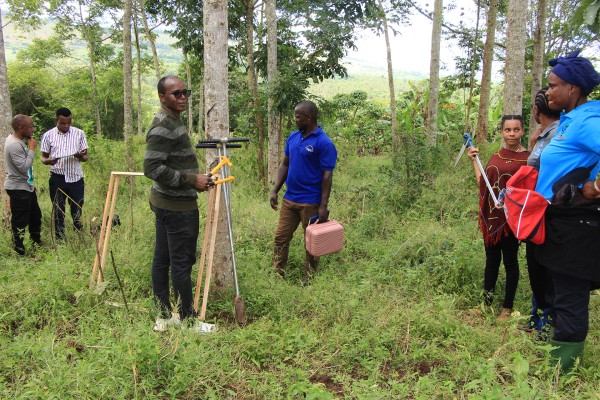
The “Emiti Nibwo Burola” project, meaning “Tree Sustains Life,” is a carbon sequestering initiative launched by Smart Farmers and Transformation in partnership with Vi Agroforestry and the Plan Vivo Foundation. Piloted in Karagwe district in 2008 and officially registered under Plan Vivo Standards in 2010, the project has made significant strides in promoting sustainable agriculture and environmental conservation.
Key Achievements:
- Participant Engagement: By 2019, the project successfully recruited 993 participants, consisting of 964 farmer households and 29 institutions.
- Tree Planting: A total of 540 hectares of land and 144,020 running meters were planted with trees, contributing to the sequestering of approximately 56,992 tons of CO2.
- Financial Impact: Beneficiaries received $306,852 through carbon credit disbursements, enhancing their livelihoods while supporting environmental goals.
Ongoing Commitment:
As of 2020, 620 participants graduated after completing 10 years of active involvement, leaving 373 participants with ongoing contracts. Despite the cessation of new recruitments by Vi Agroforestry in 2019, the remaining farmers have continued their commitment to planting agroforestry and native species for carbon sequestration and biodiversity conservation.
Current Status:
The project currently has 52,492 tons of CO2 unsold from 139.9 hectares and 184,209 running meters, containing 168,915 agroforestry trees planted by 185 participants. This underscores the lasting impact and potential for continued carbon sequestration and ecological benefit in the region.
In summary, “Emiti Nibwo Burola” not only fosters environmental sustainability but also empowers local communities through economic opportunities, demonstrating a successful model for future carbon sequestering initiatives
Clean and Sustainable Energy Activities: Empowering Smallholder Farmers
The Smart Farmers and Transformation (SFT) project, part of the Agroforestry for Livelihood Improvement (ALIVE) Program funded by Vi Agroforestry, aimed to enhance the income of smallholder farmers through sustainable practices from 2020 to 2022.
Key Achievements
Improved Cooking Stoves
We successfully supported 357 households in constructing improved cooking stoves. These stoves significantly reduce firewood consumption by using alternative materials, such as timber dust. This not only conserves local forests but also improves air quality and reduces smoke inhalation for families.
Solar Energy Integration
The project facilitated the installation of simplified solar systems for 263 households. By harnessing solar energy for lighting, these families have gained access to reliable, clean energy. This shift has enhanced their quality of life, enabling longer productive hours after sunset and reducing dependence on kerosene or other harmful energy sources.
Impact Overview
Through these initiatives, we reached 620 households, empowering them with sustainable energy solutions that promote environmental stewardship and economic resilience. Our efforts have not only contributed to improved household incomes but have also paved the way for a greener, more sustainable future for these communities.
Biodiversity conservation activities have taken a significant stride forward through empowering farmers to engage in various initiatives. Key efforts include rehabilitating degraded lands, afforesting community forests, and planting native tree species, while also encouraging the protection of natural community forests.
As of 2023, we have successfully conserved, protected, and regenerated 720 hectares of land. In addition, we’ve planted an impressive 96,720 native trees, including species such as Ficus spp. and Markhamia lutea. These actions not only enhance local biodiversity but also foster sustainable agricultural practices and strengthen community resilience. By involving farmers directly, we’re creating a collaborative approach to environmental stewardship that benefits both the ecosystem and local livelihoods.
Climate change resilience and adaptation for farmers are crucial in today’s shifting climate. By focusing on capacity building and empowerment, communities can effectively respond to climate challenges.
Climate change resilience, adaptation and Mitigation activities
Sustainable Agricultural Land Management (SALM)
This approach optimizes land use while preserving natural resources. Farmers are trained in practices that enhance soil health, conserve water, and reduce erosion, ensuring long-term productivity.
Improved Seeds:
Access to high-quality, climate-resilient seeds helps farmers increase yields and reduce vulnerability to climate extremes. These seeds are often more drought-resistant or pest-resistant, which is essential in unpredictable weather patterns.
Promoting Fruit Trees and Spices
Encouraging the planting of fruit trees and spices serves a dual purpose. Not only do these trees contribute to carbon sequestration and biodiversity, but they also provide an alternative income source for farmers. This diversification helps stabilize livelihoods and offers food security.
Overall, these initiatives empower communities to adapt to climate change while also mitigating its impacts. By integrating sustainable practices and promoting income-generating activities, farmers can build resilience against future climate challenges, ensuring both environmental health and economic stability.
